Category: Fiction

  • Are You a Pantser, a Plotter, or BOTH?

    Are You a Pantser, a Plotter, or BOTH?

    What do I mean when I ask:

    Are you a pantser, a plotter, or both? When you write, do you fly by the seat of your pants, outline all the plot details before hand, or use a combination of both techniques?

    I’ve always been a plotter, which was extremely helpful when I wrote my nonfiction book. Also, it helped immeasurably when I developed and wrote hundreds of insurance continuing texts and courses (online, classroom, and webinar). As a novelist, being a plotter has also been helpful. Now, however, I’m writing my first novel on a pure pantsing basis.

    Of course, that statement is made tongue-in-cheek because, let’s face it, while the fuel of my fabrications is imagination, if I come up with a great idea for a future line of dialogue or scene I’m definitely writing it down. In a literal sense, even the most devout of pantsers has to engage in SOME plotting!

    So, here’s what I’m doing now…

    At this moment, I’m thinking it’s absolutely essential for me to know how my book is going to end. Specifically, whether my lead character achieves her goal and how she’s grown and/or become a better person. So, I guess that’s plotting. I also think that if flashes of insight strike me as I’m writing (and they’re doing so), I’ll plan for them by sketching them into a loose outline. That’s also plotting.

    But as far as everything else goes, I’m winging it! Definitely pantsing.

    I attended a terrific plotting workshop presented by Gayle Lynds at a writer’s conference a couple of years ago and my big takeaway was that plot derives from character. So far, my pantsing/winging is going well.

    Yes, I know all the advantages of plotting—I’ve experienced them firsthand. On the other hand, I agree with many others that plotting too much, or too tightly, can sensor creativity and disallow deviations from the path already outlined.

    So, are you a pantser, a plotter, or both?

    What are your personal experiences? Do you have any tips? Successes? Less than desirable consequences we should know about? Let us know!

    As always, here are some resources:

    Well-Storied: https://www.well-storied.com/blog/a-pantsers-guide-to-story-structure

    Jane Friedman (one of the few people I love without having known/met her): https://janefriedman.com/panster-or-plotter/

    Writer’s Digest: https://www.writersdigest.com/whats-new/jan-29

  • What are Your Favorite Hobbies?

    What are Your Favorite Hobbies?

    If you were asking me the question,What are your favorite hobbies? I’d have a long list. At the top watercolor painting and crystals.

    I’m finding myself seeking something different from Social Media these days, something more in line with what matters to me. I know that sounds selfish (because it is) but maybe you feel the same way.

    Now that I’m semi-retired and able to spend more time doing what I love (writing fiction, watercolor painting, and crystals), I find that I prefer to “chat” with people who share the same interests. A flash of inspiration struck, so I’m now prompting conversations on these (and other interesting to me) topics on my blog over at https://lindamchenry.com/blog.

    Feel free to head over and join in the exchange! Some of the conversations appearing soon include:

    • What’s Your Favorite Type of Crystal/Gemstone? (posting at noon on Monday, 2/3)
    • Are You, or Someone You Know, a Highly Sensitive Person? (posting on Friday, 2/7)
    • Are You a Pantser, Plotter, or BOTH? (posting on Monday, 2/10)
    • Sometimes, Do You Just KNOW? (posting on Friday, 2/13)
  • Writing Exercises

    Writing Exercises

    Last week, I mentioned I’ve been dabbling in flash fiction as part of my regular writing exercises. This week, I’m on a roll creating short pieces using prompts. This piece is the quick result of using the following five words/phrases: soccer ball, sidewalk, car, blanket, hot coffee.

    At this moment, I’d rather do anything than chase a soccer ball around a field, kicking at opponents and crashing into teammates.

    Sidewalks are much more conducive to civilized ambulation than grassy fields are. Who in his right mind wants to dash around beneath the scorching sun–on display like an energetic version of a roasted chicken on a spit at the grocery store? Yes, instead of turning in at the gates, I believe I’ll stroll past the field today and engage in a more cultured form of exercise.

    Hmm. Now that I’ve decided to play hooky, I think I’ll bundle myself up in the back seat of a car–complete with a flannel blanket and a cup of hot coffee–and allow myself to be chauffeured to the beach instead.

    –Pele, on a bad day

    What writing exercises do you use?

  • Flash Fiction and Short Stories

    Flash Fiction and Short Stories

    Attempt at Flash Fiction

    My hiatus from blogging is now at an end, thank goodness, and I’m dabbling in different types of writing–including flash fiction.

    Since November, when my life got a little crazy for a while, I completed a novel and sent it off to a number of agents and publishers. It’s receiving good reviews but not good enough to convince a publisher to buy. Yet.

    I’ve begun a new novel, have returned to writing short stories, and am having a lot of fun creating flash fiction. I’ll be submitting some of the shorter pieces to publishers and sharing others here on my blog.

    Here’s the first installment of flash fiction. I used a prompt for this piece, which included writing for a total of 10 minutes: 2 minutes each for:

    • A mint
    • A flower
    • A pair of shoes
    • A calendar
    • A phone

    Tea Party

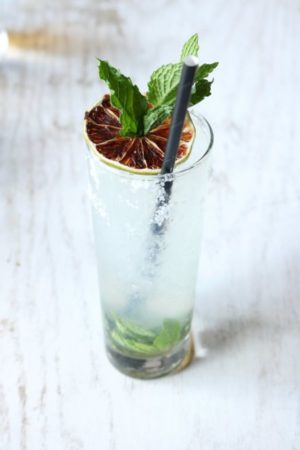
    The tea tasted awful–like the spearmint leaf floating on top had been soaked in motor oil before being brewed–acrid and brown rather than perky and green.

    Perhaps Lorna had allowed the plant to flower, sucking from the herb most of its tingly flavor and imbuing it, instead, with a tang reminiscent of a pair of shoes worn without socks in the middle of summer.

    I pulled up the calendar app in my phone and entered a note: Do NOT revisit Lorna’s house for refreshments.

  • Creating Conflict and Strong Characters

    Creating Conflict and Strong Characters

    Every writer struggles with creating conflict and strong characters–stories and protagonists our readers can identify with and root for. In fiction, perfection is boring and Trouble is king.

    What Conflict and Strong Characters are All About

    Newbie writers are always told to ensure their stories contain conflict. But what is conflict and how does one create it?

    According to the dictionary, conflict is incompatibility. It’s disagreement or disharmony. The best explanation I’ve heard about how to write conflict is contained in Lawrence Block’s Telling Lies for Fun and Profit.

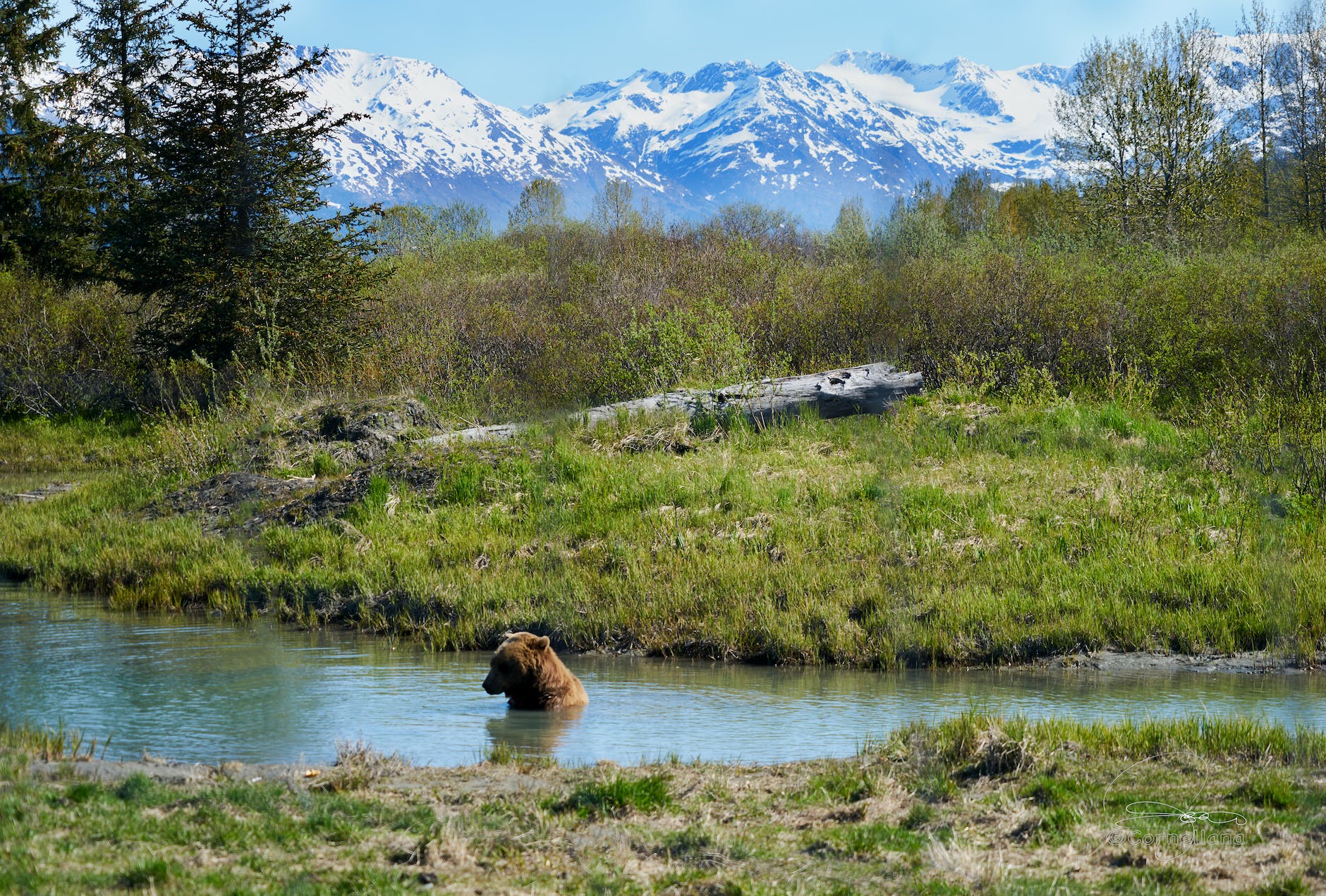
    … you have to be your lead character’s best friend and worst enemy all at the same time. You need to send your hero on a walk through the woods. Then you have a bear chase him. You let him climb a tree. You chop the tree down. The bear chases him into the river. He grabs onto a log. It turns out to be an alligator. He grabs a floating stick and uses it to jam the beast’s jaws open. You give the bear a canoe and teach it how to paddle–

    Block also says, “Fiction is just one damned thing after another” and, boy, does he have that right.

    Who wants to read about a perfect character living a perfect life without the imperfection of interference? Not me. First of all, it’s not realistic. Second of all, although it’s what we say we want, I suspect living a perfect life is one of those things my mother was referring to when she said Be careful what you ask for.

    What makes a book or story interesting is how characters navigate trouble, solve their problems, cope in the midst of chaos, stay cool under pressure, and smile with gritted teeth through the biggest failures of their lives. The aftermath of the trouble, problems, chaos, stress, and challenges is what really matters: how they changed and shaped the character.

    What Conflict and Strong Characters Looks Like

    Conflict wears many faces: Danger. Disturbance. Grief. Misfortune. Suffering. Heartache. Torment. Battles. Contests. Clashes.

    Transport a city girl wearing a silk suit and four-inch heels to a dirt road in a rural setting. Immediate conflict. Then let the thunder and lightning begin…

    Make the heroine an insurance adjuster and the hero the head of a stolen car ring. Instant conflict. Especially when the hero’s occupation is revealed right after they first make love.

    Let’s say your main character just made partner at his architectural firm and beat out his competition because he’s a family man. Three weeks later his wife files for divorce and leaves town with their children. Talk about conflict.

    Not only do the preceding examples contain conflict, they raise questions. Lots of questions. Unanswered questions create tension and suspense–which compounds the conflict.

    To escalate matters, you can toss in a ticking time bomb–that deadline each protagonist faces before the excrement hits the fan. You can reveal that secret, the one that represents the protagonist’s biggest fear, the one the character must face before the ticking time bomb explodes. My personal favorite involves dialogue: the words that can’t be unsaid or the unsaid words that should have been spoken.

    Character flaws are also a good tool to use. Doesn’t matter if characters are unaware of their flaws or if they know full well what flaws they have and simply can’t help themselves from messing up. Over and over again. The reader wonders: Will the character ever figure things out? If so, how? When?

    Unanswered questions equal tension and suspense. Postpone giving answers. Or only provide partial answers. Or ask more questions before answering previous questions. Layer the tension and suspense with conflict, and you’re on the right track.

    What Enhances Conflict and Strong Characters

    Perspective

    People come in all shapes and sizes, and with an endless variety of opinions. What good, from the perspective of conflict, is a character who keeps her opinions to herself? You guessed it: none.

    But toss in a character with strong opinions, one who doesn’t hesitate to share them. Often. And loudly. No matter where she is.

    Instant conflict.

    This character doesn’t have to be the protagonist. In fact, this character has the potential to cause endless trouble and chaos if she isn’t the protagonist.

    The Underdog

    A power imbalance creates instant conflict. There’s little in life that’s more satisfying than the longshot beating the favorite in a competition. Davey and Goliath. Jack and the Beanstalk. Underdog and Simon Bar Sinister.

    The Deep, Dark Secret

    We all have secrets, past actions or words we fear will reflect poorly on us when the old spotlight shines down. Infidelity, embezzlement, and assault can have serious repercussions if they’re uncovered. But then again, so can undisclosed pregnancies, thoughtless comments, and poor decision-making.

    What makes secrets such a great element of a good story is that we can use them in a variety of ways. Readers can know a secret the protagonist doesn’t know. Protagonists can know secrets that, if revealed, will result in death–either physically or emotionally. Multiple characters can share a secret, one that simply can’t be exposed without dire consequences.

    The most important thing about using secrets is to reveal them at the worst possible time.

    Choices

    One final tool that helps create conflict and strong characters is giving the protagonist two options–one just as bad as the other. What a terrific way to force the protagonist to grow and develop. Option A is lousy. Option B downright sucks. Which forces the protagonist to dream up Option C.

    For example, the protagonist receives a call from his brother, who just crashed his car into a tree. The protagonist arrives at the scene and realizes his brother is intoxicated. If the brother is arrested for another DUI, he’ll go to jail, so he begs the protagonist to tell the police he was driving. Clearly, neither option is ideal. Which option will the protagonist choose? Or will you, the director of the scene, be clever enough to come up with another option … one that startles your readers after drawing the tension out unbearably?


    Feel free to share your thoughts and ideas about creating conflict and strong characters.