Barb Gavitt is Vice President of Product Development and Education at A.D. Banker & Company, one of the leading insurance pre-licensing and continuing education providers in the country. She is also the 2020 president of the Securities & Insurance Licensing Authority.
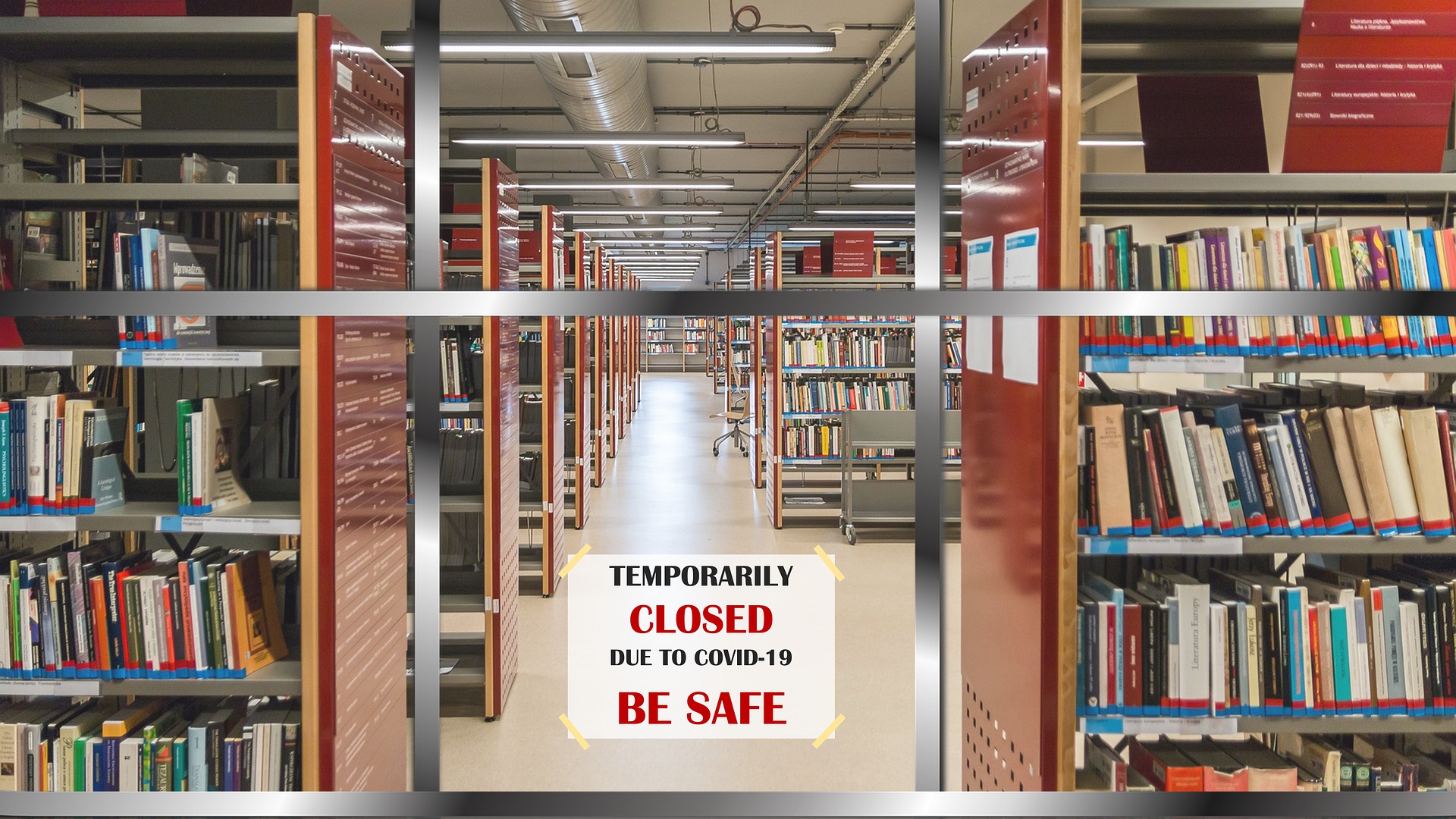
Barb sat down with me recently to discuss the challenges many have been facing, and continue to face, in light of the COVID-19 pandemic shutdown. Although the insurance and financial services industries have been deemed “essential” during shelter-in-place orders, the licensing test centers were not.
This means that individuals who were already hired to work in the industry could not obtain their licenses, despite having paid significant fees and devoted tremendous amounts of time studying. Similarly, those wanting to be hired or wanting to obtain an additional license or line of authority on an existing license find themselves equally frustrated and stymied.
On Episode 6 of my podcast, Taking the Mystery out of Insurance, Barb explains what’s been happening to date, how the states are opening up now, and what she anticipates in the future.
In prepping for the SILA Foundation webinar I presented yesterday, I have two items to share with you since the last time I blogged on the topic of cannabis.
Topic #1: Decriminalization
A number of states have decriminalized marijuana. Contrary to what many people infer from the term “decriminalized,” it does NOT mean a person is not guilty of a crime of possessing, growing, or selling marijuana. Unless the state has passed a law that stipulates the medical, or adult recreational, use/possession/sale of marijuana IS legal, it is still a crime.
What the term means is that if a person has a “small amount” of marijuana in his or her possession, law enforcement will not arrest and charge that person with a crime. However, law enforcement may still confiscate the marijuana and the person can be fined for possession. Each state defines “small amount” differently. The most common amount is less than 1/4 of an ounce.
So, what does this mean? Let’s say I’m driving along the road in a state that has not legalized the medical or recreational use of marijuana, but has decriminalized it. A cop pulls me over for speeding and spots the ounce of pot I have sitting in the cup holder in my console. The cop can arrest me for illegal possession, I can be charged and found guilty of a crime, and I can be fined or jailed–however the state punishes that particular crime.
But, if the pot in the cup holder is less than the “small amount” defined by that state’s law, the cop can confiscate my pot (or not) and he can issue a citation that results in a fine (not a crime) for illegal possession ( or not).
Topic #2: Court-Enforcement of Contracts re: Cannabis Businesses
A recent ruling by the Nevada District Courtshows that federal courts are handing down different findings with respect the the enforceability of contracts to which cannabis-related businesses are a party.
If you want the full story, click the link above. Here’s the short story:
When a cannabis business sues or is sued over breach of contract, the federal courts seem to be taking one of two positions:
If the matter at issue relates to insurance, federal labor laws, federal intellectual property rights, and other contracts and laws not directly related to the growth, sale, etc. of cannabis, they seem to be ruling in a way that enforces the contract. Why? Because enforcement of the contract does not violate federal law under the Controlled Substances Act, which deems marijuana a Schedule I substance–and illegal under federal law. In other words, if I own a cannabis dispensary and lied on my insurance application about whether I use a safe, and my insurance company later denied my insurance claim for theft, the court will likely enforce the contract and side with the insurer (if it has proof I lied and violated the warranty about the safe).
If the matter relates to a contract that are directly related the growth, sale, etc. of cannabis (such as a loan to expand the business), they seem to be ruling in a way that does not enforce the contract. In other words, if I failed to repay the loan I secured to expand my cannabis dispensary and the lender sued me to get the money back, the court will likely NOT find in favor of the lender suing me because I breached the loan agreement. Why? Because finding for the lender puts it in a position where it benefits from assisting an illegal cannabis business conduct operations–which violates federal law under the Controlled Substances Act.
Summary
How we insure cannabis risks in this country is ever-evolving and so long as federal and state laws differ with respect to legalization of marijuana, we’re in for a wild and exciting rollercoaster ride. Check back for more updates as they become available.
In a number of states, legislation has been proposed to compel insurance companies to pay business interruption losses. Before I discuss the 2 biggest issues related to this pending legislation, let me recap exactly what business interruption insurance is.
Business interruption (BI) coverage is a form of indirect PROPERTY insurance. This mean’s a covered peril in a property policy must cause a loss, and that insured loss must, in turn, trigger the business to shut down operations.
For example, if a business’ building were destroyed by an arsonist, the covered peril of fire caused the property loss. The business’ BI coverage will be triggered. However, if a flood destroyed the business’ building and shut down operations, the peril of flood is an excluded peril and neither the flood damage nor the ensuing business interruption would be covered by the policy.
Although many people, including state governments and politicians, are calling for insurance companies to honor the business interruption losses of ALL businesses that were shut down as a result of COVID-19 orders, I don’t see that actually happening.
Here’s why.
First, coronavirus–or any virus, for that matter, is NOT a covered peril in any insurance policy I ever read. Even more importantly, most insurance policies contain specific exclusions for the perils of “virus” and “pollutant,” both of which would apply.
Furthermore, the shutdown of operations to any business due to COVID-19 is not a result of property damage. It is the result of a civil authority making an order. And yes, although business interruption insurance does provide limited coverage for Civil Authority, that policy provision requires the civil authority to evacuate an area, or prevent access to it, because of a peril that is covered by the business’ policy.
Back to the 2 big concerns I promised to discuss.
First, when insurance companies file their premium rates with the states–as required by state law–those rates are approved by the states. The entire concept of risk pooling, which is the foundation of the insurance industry, is violated if an insurer MUST pay for every single loss experienced by every single policyholder in a particular year. Essentially, it would bankrupt an entire segment of the insurance industry.
Next, the insurance policy is a legal contract. Contracts are regulated and enforced by the federal and state governments. However, the only parties to an insurance contract are the insurer and the insured–not the government. Under federal law no one can force the parties to a contract to amend its terms and conditions. I’m not a lawyer, and I’m not giving legal advice, but based on the talk I’m hearing from lawyers, it’s unlikely any state government will prevail in court if it attempts to constrain insurers to pay all business interruption claims they receive.
This is the short version of the story about how the pandemic is affecting the current insurance marketplace and, specifically, business interruption insurance. For the long version, listen to Episode 5 of my podcast, Business Interruption Insurance in a Pandemic.
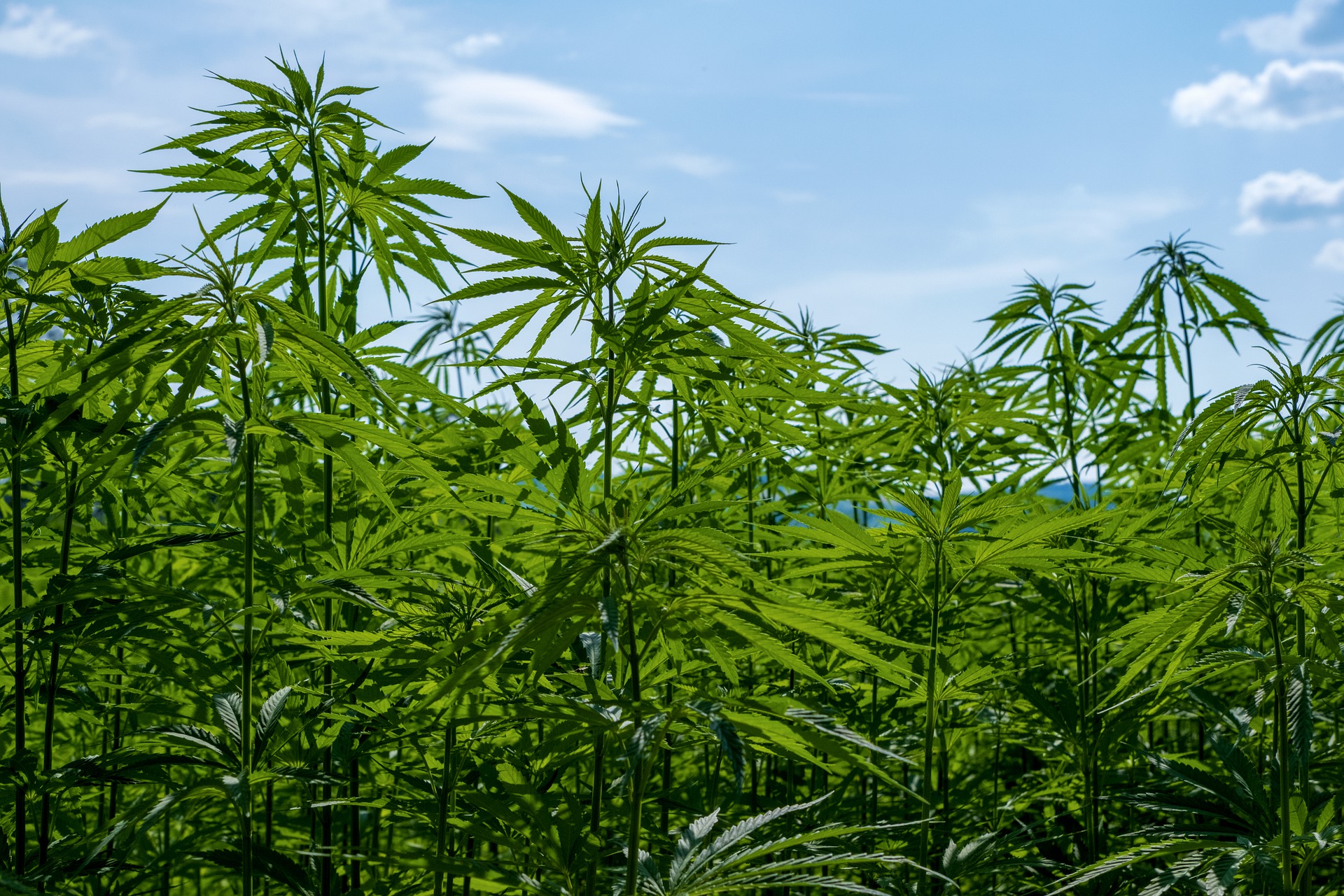
Because the federal government classifies marijuana under Schedule I of the Controlled Substances Act, its cultivation, possession, use, and distribution is illegal under federal law. Not all the states agree with the federal government.
11 states have legalized the recreational use of marijuana, 35 states have legalized medical marijuana programs, and many of the remaining states are considering doing one or both.
One of the biggest problems faced by those working in the cannabis industry–and insurance companies and agents working with those businesses–relates to money. Because cannabis businesses are considered illegal operations by the federal government, federally regulated banks won’t do business with them. A number of federal laws–including RICO and money laundering statutes–impose reporting restrictions and penalties on banks who don’t comply. Because these banks are concerned about repercussions by the federal government, they won’t open accounts for anyone in the cannabis industry.
Some local and county banks have been working with cannabis business in states that have legalized marijuana but the majority of these business deal strictly in cash, and face many challenges because they have a great deal of cash on hand. When a cannabis business can obtain insurance, the carrier will require specific and strict conditions to be met in connection with security … because of the crime exposure. Criminals targeting cannabis businesses are far more interested in finding cash than they are pot plants.
For more information about this topic, listen to today’s podcast, or check out any of the following resources: